Why Fitness Matters: Health Benefits You Can't Ignore
Are you tired of feeling sluggish, stressed, and disconnected from your body? It's time to wake up to the transformative power of fitness!
Trainers Talkk
2/20/20269 min read
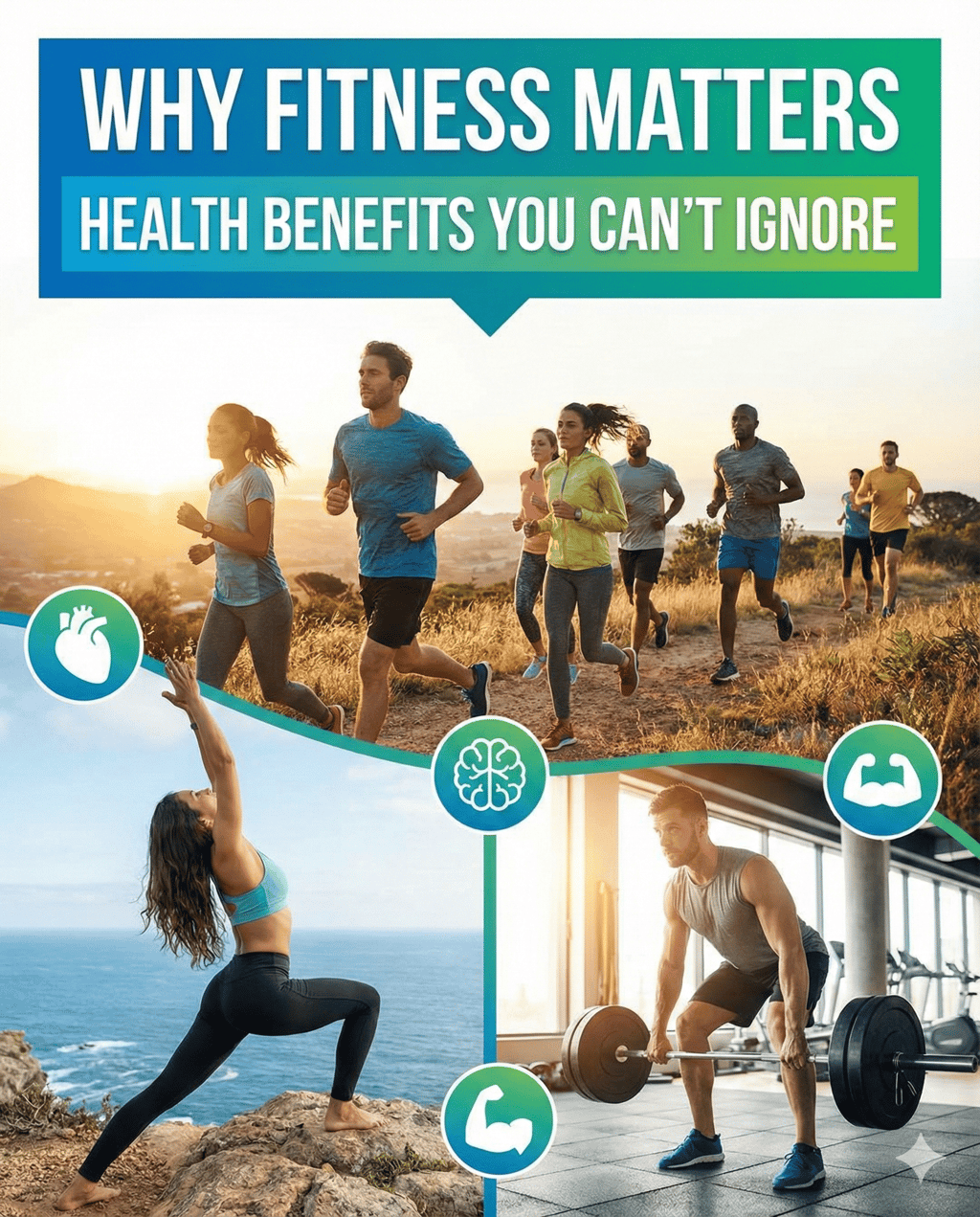
Why Fitness Matters: Health Benefits You Can't Ignore
Are you tired of feeling sluggish, stressed, and disconnected from your body? It's time to wake up to the transformative power of fitness! 💪🏋️♀️
In today's fast-paced world, it's easy to overlook the importance of regular exercise. But here's the truth: fitness isn't just about looking good in your favorite jeans - it's about investing in your overall well-being. From boosting your physical health to sharpening your mental acuity, the benefits of staying active are simply too significant to ignore.
Ready to discover how fitness can revolutionize your life? Let's dive into the five key areas where exercise can make a profound impact: physical health improvements, mental health benefits, disease prevention, increased energy and productivity, and social and lifestyle advantages. Buckle up - you're about to embark on a journey that could change your life for the better! 🚀
Physical Health Improvements
A. Strengthens cardiovascular system
The cardiovascular system, comprising the heart, blood vessels, and blood, plays a crucial role in maintaining overall health. Regular fitness activities significantly contribute to strengthening this vital system, offering numerous benefits that extend far beyond mere physical appearance.
How Exercise Impacts the Cardiovascular System
Improved Heart Function
Increased heart muscle strength
Enhanced pumping efficiency
Lower resting heart rate
Better Blood Circulation
Expanded blood vessel network
Improved blood flow to organs and tissues
Reduced risk of blood clots
Regulated Blood Pressure
Lowered systolic and diastolic pressure
Decreased strain on arterial walls
Reduced risk of hypertension
Types of Cardiovascular Exercises
Different forms of exercise can contribute to cardiovascular health. Here's a breakdown of some effective options:
Exercise Type Description Benefits Aerobic Sustained activities like running, cycling, or swimming Improves heart and lung endurance High-Intensity Interval Training (HIIT) Short bursts of intense exercise followed by rest periods Boosts metabolism and cardiovascular fitness Strength Training Resistance exercises using weights or body weight Enhances overall cardiovascular health and muscle strength Yoga Combines physical postures, breathing techniques, and meditation Reduces stress and improves heart health
Long-term Benefits of Cardiovascular Fitness
Investing time and effort in cardiovascular fitness yields substantial long-term benefits:
Reduced Risk of Heart Disease: Regular cardiovascular exercise strengthens the heart muscle, improves blood flow, and helps maintain healthy cholesterol levels. This combination significantly lowers the risk of developing coronary artery disease, heart attacks, and other cardiovascular issues.
Improved Lung Capacity: As you engage in cardiovascular activities, your lungs work harder to supply oxygen to your muscles. Over time, this increased demand leads to improved lung capacity and efficiency, allowing for better oxygen utilization throughout your body.
Enhanced Endurance: Consistent cardiovascular training increases your body's ability to sustain physical activity for longer periods. This improved endurance translates to better performance in daily activities and sports, as well as increased overall energy levels.
Better Weight Management: Cardiovascular exercises are excellent calorie burners. By incorporating these activities into your routine, you can more effectively manage your weight, reduce body fat, and maintain a healthy body composition.
Improved Stress Management: Engaging in cardiovascular exercise releases endorphins, the body's natural mood elevators. This not only helps in managing stress but also contributes to better mental health and overall well-being.
Implementing Cardiovascular Exercise in Your Routine
To reap the full benefits of cardiovascular fitness, consider the following strategies:
Start Gradually: If you're new to exercise, begin with low-intensity activities and gradually increase the duration and intensity over time. This approach helps prevent injury and allows your body to adapt to the new demands.
Aim for Consistency: The American Heart Association recommends at least 150 minutes of moderate-intensity aerobic activity or 75 minutes of vigorous-intensity aerobic activity per week. Spread these sessions throughout the week for optimal benefits.
Mix It Up: Incorporate a variety of cardiovascular exercises to prevent boredom and target different muscle groups. This could include a combination of running, swimming, cycling, and group fitness classes.
Monitor Your Heart Rate: Use a heart rate monitor or fitness tracker to ensure you're exercising within your target heart rate zone. This helps maximize the benefits of your workouts while avoiding overexertion.
Combine with Strength Training: While cardiovascular exercise is crucial, don't neglect strength training. Combining both types of exercise provides a well-rounded fitness regimen that benefits your entire body.
Overcoming Common Cardiovascular Exercise Challenges
Many individuals face obstacles when trying to maintain a consistent cardiovascular exercise routine. Here are some common challenges and strategies to overcome them:
Lack of Time:
Schedule workouts like any other important appointment
Break exercise into shorter, more frequent sessions
Incorporate active commuting, like biking to work
Low Motivation:
Set specific, achievable goals
Find an exercise buddy or join a fitness class for accountability
Track your progress to visualize improvements
Physical Discomfort:
Start with low-impact exercises like swimming or cycling
Invest in proper footwear and clothing
Gradually increase intensity to allow your body to adapt
Boredom:
Vary your workout routine regularly
Listen to music, podcasts, or audiobooks while exercising
Explore new outdoor routes or try virtual reality fitness programs
Limited Access to Facilities:
Discover bodyweight exercises that can be done at home
Utilize online fitness resources and video workouts
Explore outdoor activities like hiking or running in local parks
The Role of Nutrition in Cardiovascular Health
While exercise is crucial for cardiovascular health, nutrition plays an equally important role. A heart-healthy diet complements your fitness efforts and further strengthens your cardiovascular system. Consider the following dietary guidelines:
Embrace Heart-Healthy Fats:
Incorporate omega-3 fatty acids from sources like fatty fish, flaxseeds, and walnuts
Use olive oil as your primary cooking oil
Include avocados and nuts for healthy monounsaturated fats
Increase Fiber Intake:
Consume a variety of fruits, vegetables, and whole grains
Add legumes like beans and lentils to your meals
Choose whole grain products over refined alternatives
Limit Sodium:
Reduce processed and packaged foods
Use herbs and spices instead of salt for flavoring
Read food labels to identify hidden sodium sources
Control Portion Sizes:
Use smaller plates to manage portion sizes
Practice mindful eating to recognize fullness cues
Balance calorie intake with physical activity levels
Stay Hydrated:
Drink water throughout the day
Limit sugary beverages and alcohol
Consume hydrating foods like cucumbers and watermelon
Cardiovascular Health Across Different Life Stages
The importance of cardiovascular fitness remains constant throughout life, but the approach may vary depending on age and life stage:
Children and Adolescents:
Encourage active play and participation in sports
Limit screen time and promote outdoor activities
Set a positive example by prioritizing family fitness activities
Young Adults:
Establish healthy exercise habits early on
Balance cardiovascular exercise with strength training
Focus on stress management through exercise
Middle-Aged Adults:
Maintain consistency in exercise routines
Pay attention to risk factors like blood pressure and cholesterol levels
Adapt exercise intensity as needed, incorporating more low-impact options
Older Adults:
Emphasize balance and flexibility exercises alongside cardiovascular activities
Focus on maintaining independence through functional fitness
Consult with healthcare providers to ensure exercise safety
The Impact of Technology on Cardiovascular Fitness
Advancements in technology have revolutionized how we approach cardiovascular fitness:
Wearable Devices:
Heart rate monitors provide real-time feedback during workouts
Step counters encourage increased daily activity
Sleep trackers help optimize recovery and overall health
Smartphone Apps:
Guided workout programs for various fitness levels
GPS tracking for outdoor activities
Nutrition tracking to support overall cardiovascular health
Virtual Reality (VR) Fitness:
Immersive exercise experiences that make workouts more engaging
Ability to "travel" to different locations while exercising at home
Gamification of fitness to increase motivation
Online Communities:
Social support and accountability through fitness-focused platforms
Access to expert advice and resources
Opportunities for virtual competitions and challenges
Cardiovascular Exercise and Mental Health
The benefits of cardiovascular exercise extend beyond physical health, significantly impacting mental well-being:
Stress Reduction:
Regular exercise helps lower cortisol levels, the body's stress hormone
Physical activity provides a healthy outlet for managing daily stressors
Improved cardiovascular health leads to better stress resilience
Mood Enhancement:
Exercise stimulates the production of endorphins, natural mood elevators
Consistent physical activity can help alleviate symptoms of depression and anxiety
Achieving fitness goals boosts self-esteem and confidence
Cognitive Function:
Cardiovascular exercise increases blood flow to the brain, promoting cognitive health
Regular physical activity has been linked to improved memory and learning capabilities
Exercise may help reduce the risk of age-related cognitive decline
Sleep Quality:
Consistent exercise can help regulate sleep patterns
Improved cardiovascular health often leads to better sleep quality
Physical activity can help manage conditions like sleep apnea, which are linked to cardiovascular health
Cardiovascular Fitness and Longevity
Research consistently shows a strong correlation between cardiovascular fitness and increased life expectancy:
Reduced Risk of Chronic Diseases:
Regular cardiovascular exercise lowers the risk of developing heart disease, type 2 diabetes, and certain cancers
Improved cardiovascular health helps manage existing chronic conditions more effectively
Enhanced Quality of Life:
Better cardiovascular fitness leads to increased energy and vitality in daily life
Improved physical function allows for greater independence as you age
Cellular Health:
Exercise has been shown to have positive effects on telomeres, the protective caps on chromosomes associated with aging
Regular physical activity may help slow down cellular aging processes
Improved Resilience:
A strong cardiovascular system helps the body better cope with physical and emotional stressors
Enhanced overall health contributes to faster recovery from illnesses and injuries
Cardiovascular Exercise in Different Environments
The environment in which you perform cardiovascular exercise can significantly impact your experience and results:
Outdoor Exercise:
Benefits: Fresh air, vitamin D exposure, varied terrain
Considerations: Weather conditions, safety in urban areas
Activities: Running, cycling, hiking, outdoor swimming
Indoor Exercise:
Benefits: Climate-controlled environment, access to equipment
Considerations: Air quality, motivation without scenery changes
Activities: Treadmill running, stationary cycling, indoor swimming
High-Altitude Training:
Benefits: Increased red blood cell production, improved oxygen utilization
Considerations: Acclimatization period, potential altitude sickness
Activities: Hiking, trail running, skiing
Water-Based Exercise:
Benefits: Low-impact, full-body workout, natural resistance
Considerations: Access to suitable water bodies, swimming skills
Activities: Swimming, water aerobics, paddling sports
The Future of Cardiovascular Fitness
As our understanding of cardiovascular health evolves and technology advances, the future of cardiovascular fitness looks promising:
Personalized Exercise Prescriptions:
Genetic testing to determine optimal exercise types and intensities
AI-powered fitness plans adapting in real-time to individual progress and preferences
Advanced Monitoring Technologies:
Non-invasive continuous blood pressure monitoring during exercise
Real-time assessment of cardiovascular strain and recovery needs
Integration with Healthcare Systems:
Seamless sharing of fitness data with healthcare providers for comprehensive health management
Preventive healthcare models emphasizing cardiovascular fitness as a key component
Virtual and Augmented Reality Advancements:
Hyper-realistic virtual environments for immersive cardiovascular workouts
Augmented reality guidance for proper form and technique during exercise
Environmental Considerations:
Development of indoor air purification systems for healthier gym environments
Creation of urban green spaces specifically designed for cardiovascular exercise
As we transition to the next section on building muscle and bone density, it's important to recognize that while cardiovascular fitness forms the foundation of a healthy body, it works in synergy with other aspects of physical fitness to create a well-rounded and resilient physique.
B. Builds muscle and bone density
Building muscle and bone density is a crucial aspect of overall fitness that complements cardiovascular health. This combination of strength and structural integrity not only enhances physical appearance but also plays a vital role in long-term health and functionality.
The Importance of Muscle Mass
Muscle mass is more than just an aesthetic consideration; it's a fundamental component of a healthy, functional body. Here's why maintaining and building muscle is essential:
Metabolic Benefits:
Increased resting metabolic rate
Better glucose metabolism and insulin sensitivity
Enhanced fat oxidation
Functional Strength:
Improved ability to perform daily activities
Reduced risk of injuries in everyday life
Enhanced athletic performance
Body Composition:
Higher lean body mass percentage
More efficient weight management
Improved overall body shape and tone
Longevity:
Associated with lower mortality rates
Helps maintain independence in later life
Supports overall health and vitality
Understanding Bone Density
Bone density, or bone mass, refers to the amount of bone mineral in bone tissue. Maintaining and improving bone density is crucial for several reasons:
Fracture Prevention:
Reduced risk of osteoporosis
Lower likelihood of fractures, especially in older adults
Improved bone strength and resilience
Postural Support:
Better spinal alignment
Reduced risk of age-related height loss
Improved overall posture and body mechanics
Joint Health:
Enhanced stability around joints
Reduced risk of conditions like osteoarthritis
Better shock absorption during physical activities
Hormonal Balance:
Bones play a role in hormone production and regulation
Healthy bone density supports overall endocrine function
The Synergy Between Muscle and Bone
Muscle and bone health are intimately connected, with each supporting and influencing the other:
Mechanical Loading:
Muscle contractions place stress on bones, stimulating bone formation
Weight-bearing exercises benefit both muscle and bone simultaneously
Hormonal Interactions:
Exercise-induced hormonal changes benefit both muscle and bone tissue
Muscle tissue produces myokines that positively influence bone health
Nutrient Utilization:
Both muscle and bone require similar nutrients for growth and maintenance
A diet supporting muscle growth often benefits bone health as well
Injury Prevention:
Strong muscles help protect bones from excessive stress
Healthy bones provide a stable foundation for muscle function
Effective Strategies for Building Muscle Mass
Building muscle mass requires a combination of proper exercise, nutrition, and recovery. Here are key strategies to maximize muscle growth:
Progressive Resistance Training:
Gradually increase weights or resistance over time
Focus on compound exercises that engage multiple muscle groups
Aim for 2-3 strength training sessions per week
Proper Form and Technique:
Prioritize correct form to maximize muscle engagement
Use a full range of motion in exercises
Consider working with a certified personal trainer for guidance
Nutrition for Muscle Growth:
Consume adequate protein (1.6-2.2 grams per kg of body weight daily)
Ensure sufficient calorie intake to support muscle growth
Include a variety of nutrient-dense foods in your diet
Rest and Recovery:
Allow 48-72 hours between training sessions for the same muscle group
Prioritize quality sleep (7-9 hours per night)
Consider active recovery techniques like light stretching or yoga
Periodization:
Vary your training program over time to prevent plateaus
Incorporate different training phases focusing on strength, hypertrophy, and endurance
Exercise Types for Building Muscle and Bone Density
Different types of exercises contribute to muscle and bone health in various ways:
Exercise Type Muscle Benefits Bone Benefits Examples Resistance Training Hypertrophy, strength Increased bone mineral density Weightlifting, bodyweight exercises High-Impact Activities Functional strength Stimulates bone formation Jumping, plyometrics Weight-Bearing Cardio Muscular endurance Maintains bone density Running, hiking Low-Impact Activities Muscle tone, flexibility Gentle stress on bones Swimming, cycling
Nutrition for Muscle and Bone Health
Proper nutrition is crucial for building and maintaining both muscle mass and bone density:
Protein:
Essential for muscle repair and growth
Sources: Lean meats, fish, eggs, dairy, legumes, and plant-based proteins
Calcium:
Critical for bone health
Sources: Dairy products, leafy greens, fortified foods
Vitamin D:
Enhances calcium absorption
Sources: Sunlight exposure, fatty fish, egg yolks, fortified foods
Magnesium:
Supports muscle function and bone health
Sources: Nuts, seeds, whole grains, leafy greens
Omega-3 Fatty Acids:
Reduce inflammation and support muscle recovery
Sources: Fatty fish, flaxseeds
Contact
Questions? Reach out anytime, we're here.
hello@bodyhealthguide.com
© 2025. All rights reserved.